 Edward Hopper and his paintings🔒 SSL Verified
Live Data Status: |E-commerce & Retail
Welcome to the detailed analysis for edwardhopper.net. This domain is officially recognized as Edward Hopper. According to their official web presence, their primary focus is: "Detailed SEO and authority metrics for edwardhopper.net. Edwardhopper currently holds an estimated domain authority score of 78/100 in the .NET namespace based on our global index mapping.".
Table of Contents
- Tech Stack
- React
- Link Profile
- Internal Pages: 97Outbound Links: 23
- Localization
- en
6-Month Traffic Trend Estimate
M1
M2
M3
M4
M5
M6
Estimated Market Value
$11,718
Based on domain age, authority, and keyword relevance.
TLD Availability Risk
- edwardhopper.comTaken
- edwardhopper.netTaken
- edwardhopper.orgTaken
- edwardhopper.ioTaken
- edwardhopper.coTaken
- edwardhopper.aiTaken
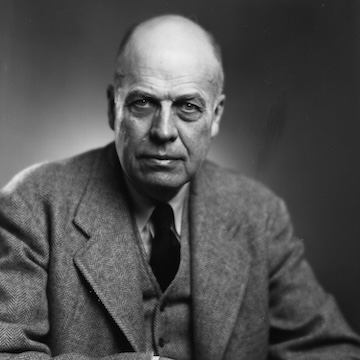
Content Snippets from edwardhopper.net
"Great art is the outward expression of an inner life in the artist."
"Edward Hopper is widely acknowledged as the most important realist painter of twentieth-century America. But his vision of reality was a selective one, reflecting his own temperament in the empty cityscapes, landscapes, and isolated figures he chose to paint. His work demonstrates that realism is not merely a literal or photographic copying of what we see, but an interpretive rendering. Edward Hopper was born in 1882, in NY, into a middle-class family. From 1900 to 1906 he studied at the NY School of Art, and while in school, shifted from illustration to works of fine art. Upon completing his schooling, he worked as an illustrator for a short period of time; once this career path ended, he made three international trips, which had a great influence on the future of his work, and the type of art he would engage in during the course of his career. He made three trips to Europe between 1906 and 1910. In retrospect, Europe meant France, and more specifically, Paris, for Edward Hopper. This city, its architecture, light, and art tradition, decisively affected his development. When he arrived in 1906, Paris was the artistic center of the Western world; no other city was as important for the development of modern art. The move toward abstract painting was already underway; Cubism had begun. There, in 1907, Picasso painted his legendary Les Demoiselles d'Avignon. Hopper, however, later maintained that when he was in Paris he never heard of Picasso, who was to become so important for the development of modern literature. For Hopper, the encounter with Impressionism was decisive. The light in these paintings and the thematic treatment of architecture and nature particularly attracted him and were to influence all of his work. His reaction to the Impressionists is directly reflected in his own art. He forgot the dark, Old Master-like interiors of his New York student days, when he was influenced mainly by the great European artists - Johannes Vermeer, Caravaggio, Rembrandt, and Diego Velazquez. The influence of Impressionist Claude Monet and Edgar Degas, Post-impressionists Cezanne, Van Gogh and Neo-impressionist Georges Seurat directly reflected in his own art. His palette lit up and he began to paint with light and quick strokes. Even in 1962, he could say,"
"In 1910 Hopper returned to the United States, never to leave North America again. During the 1910s, Edward Hopper struggled quite a bit to gain any recognition for the works he had created. During this period a number of his works were distributed through various shows and exhibits in New York, but very little, if any attention, was given to his pieces. Oil painting was a focal point of the work he had done, but a majority of the sales he made during this period, was for works he had created doing etching work and murals."
Key Topics & Focus Areas for edwardhopper.net:
Authority Metrics: Score 78/100
Global Reach of Edwardhopper
Competitor Analysis for .NET Domains
By comparing edwardhopper.net to other leading websites in its niche, marketers and researchers can identify key traffic sources and growth opportunities. Explore our related resources below to find websites similar to edwardhopper.net.
Frequently Asked Questions
Is edwardhopper.net a safe and secure website?
Yes, according to our latest analysis, we detected a valid SSL certificate ensuring a secure connection.
What is the authority score of edwardhopper.net?
As of July 27, 2026, edwardhopper.net holds an estimated domain authority score of 63/100 based on our VisitRank tracking algorithms.
What are the top alternatives to edwardhopper.net?
You can find the best alternatives and similar sites to edwardhopper.net in our explore section, which includes competitors in the E-commerce & Retail sector.
Data Sources & Methodology: DNS telemetry and routing records are resolved via live root servers. Market valuation estimates are computed algorithmically based on proprietary historical indexation multiples and standardized digital asset appraisal methodologies.
Common Misspellings & Typo Domains for edwardhopper.net:
ewdardhopper.netedardhopper.neteddwardhopper.netadwardhopper.netedwerdhopper.netedwardhopper.netedwardhoppar.neteswardhopper.neteewardhopper.net